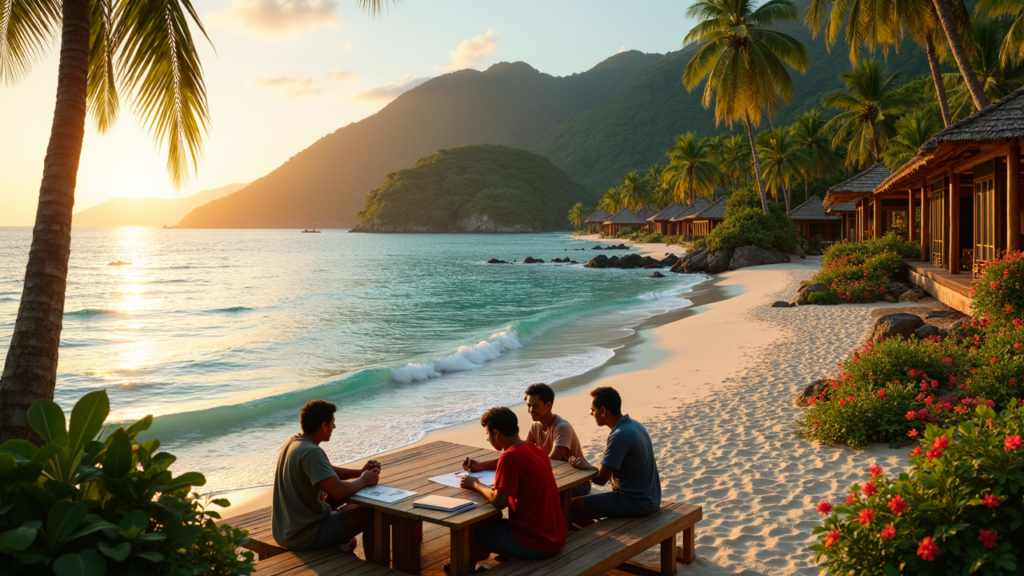
Understanding Lombok’s Tourism Regulations: A Gateway to Sustainable Growth
Lombok’s flourishing tourism sector owes much to a well-defined regulatory framework that not only shapes visitor experiences but also safeguards the region’s natural and cultural treasures. The local government has implemented a unique set of tourism laws designed to balance rapid economic development with long-term sustainability. These regulations address critical issues such as land ownership for foreign investors, environmental protection, and community involvement. By limiting unchecked developments and encouraging eco-friendly practices, Lombok ensures that tourism growth does not come at the expense of its pristine beaches, lush forests, and unique Sasak heritage. Furthermore, guidelines for businesses—from homestays to luxury resorts—prioritize local partnerships and responsible investments. Understanding these tourism laws is vital for investors and travelers alike, offering the blueprint for how ethical tourism can drive prosperity while preserving the island’s identity. As we explore their impact, it becomes clear how regulatory foresight is laying the foundation for future growth and responsible opportunities in Lombok.

Navigating Investment Opportunities: How Lombok’s Laws Attract Global Travelers
Lombok’s tourism landscape is shaped not just by its lush beaches and tranquil mountains, but by a robust legal framework designed to welcome both travelers and investors. The government has implemented investor-friendly regulations, simplifying the process of acquiring land through long-term leases and encouraging foreign participation in hospitality ventures. Special Economic Zones (SEZs) like Mandalika have become magnets for capital by offering tax incentives, business-friendly licensing, and streamlined bureaucratic procedures—ensuring projects can get off the ground quickly and efficiently. These progressive laws encourage global travelers to see Lombok as more than just a destination—it’s a place to invest, build, and grow. With clear property rights, transparent contracts, and a supportive business climate, Lombok sets a new benchmark for sustainable tourism development. These legal advantages not only spark international interest but also foster an environment ripe for collaboration between local entrepreneurs and global investors, setting the stage for further evolution in the tourism sector.
Lombok’s strong legal foundation for investment doesn’t just benefit developers—it also empowers conscious investors looking for opportunities aligned with sustainability and long-term value. Whether you’re planning to launch an eco-resort, invest in boutique villas, or partner with local entrepreneurs, it’s essential to understand the legal landscape before diving in. For a detailed breakdown of legal pathways, foreign ownership regulations, lease structures, and strategic property zones, the Lombok investment guide for sustainable tourism development offers a comprehensive and actionable resource. This guide demystifies the process for aspiring investors and highlights how ethical tourism investments can yield meaningful returns—both financially and socially.

The Impact of Lombok’s Tourism Policies on Local Communities and Eco-Tourism
Lombok’s tourism laws have been meticulously crafted to balance the influx of travelers with the well-being of local communities and the preservation of the environment. By introducing regulations that prioritize community involvement, these policies empower residents to take an active role in shaping the island’s tourism future. For example, village cooperatives and community-based tourism initiatives ensure that financial benefits ripple through local economies rather than bypassing them. Moreover, environmental rules promote eco-friendly accommodations and conservation-driven visitor experiences, encouraging practices such as waste management, wildlife protection, and sustainable excursions. These strategies not only protect Lombok’s pristine landscapes but also foster a sense of pride and stewardship among its inhabitants. As the island’s tourism sector evolves, the synergy between regulatory frameworks and local participation becomes crucial, setting the stage for a more responsible and inclusive approach to development that draws both ethical travelers and conscientious investors. This evolving landscape is paving the way for transformative opportunities in sustainable tourism growth.
Future Trends: How Lombok’s Tourism Laws Influence Travel Patterns and Preferences
As Lombok continues to evolve as a premier travel destination, its progressive tourism laws play a major role in shaping future travel trends and visitor preferences. By prioritizing sustainable development, eco-friendly initiatives, and community involvement, Lombok’s legal framework encourages responsible tourism choices among travelers. Restrictions on overdevelopment and the implementation of eco-zoning have led to a rise in demand for boutique resorts and nature-based experiences, fostering a culture that values environmental preservation over mass tourism. Furthermore, investment incentives for sustainable businesses have attracted forward-thinking entrepreneurs, which, in turn, influence tourist expectations toward authentic, locally-rooted activities. As travelers become increasingly conscious of the impact their choices have, Lombok’s laws position the island as a haven for those seeking meaningful, mindful travel. This ongoing transformation not only enhances the visitor experience but also shapes the types of investment opportunities arising in the region, paving the way for a new era in tourism development.
Featured Real Estate Listings
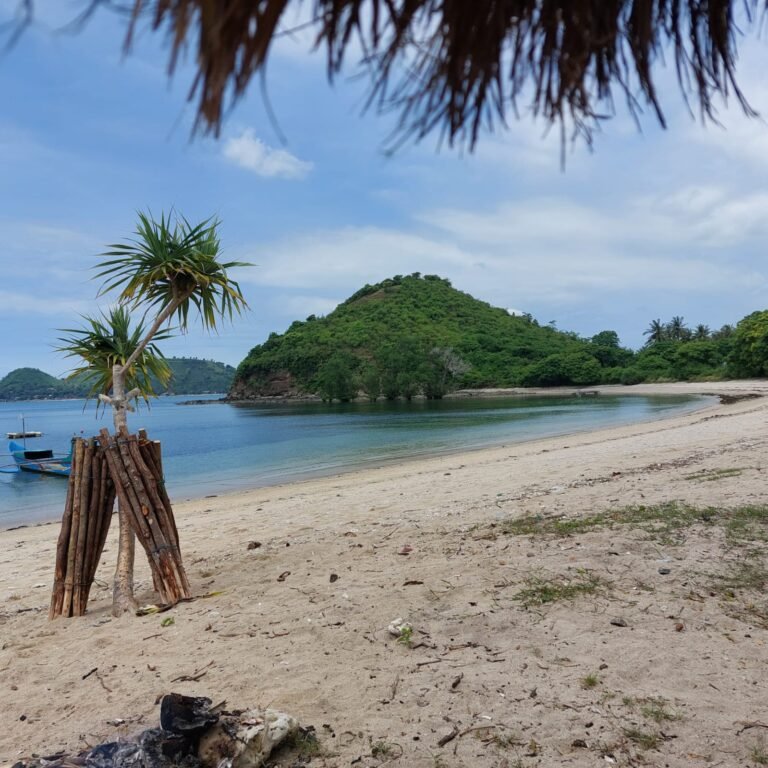
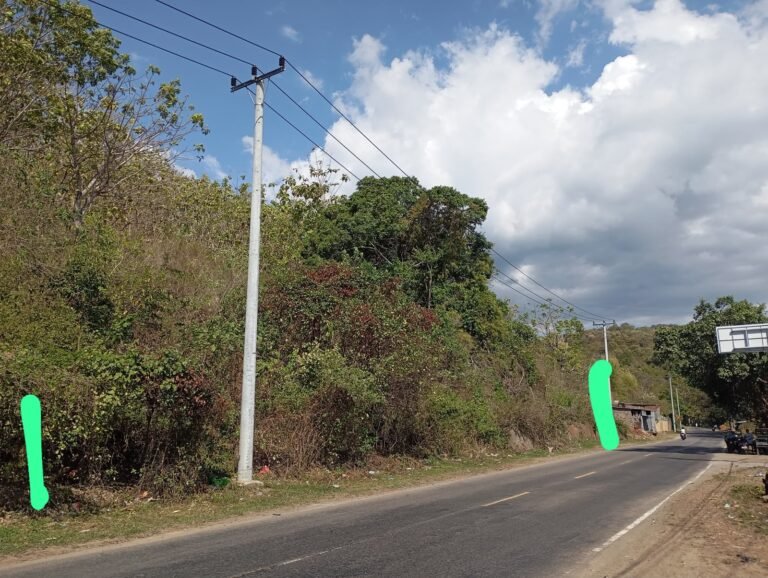
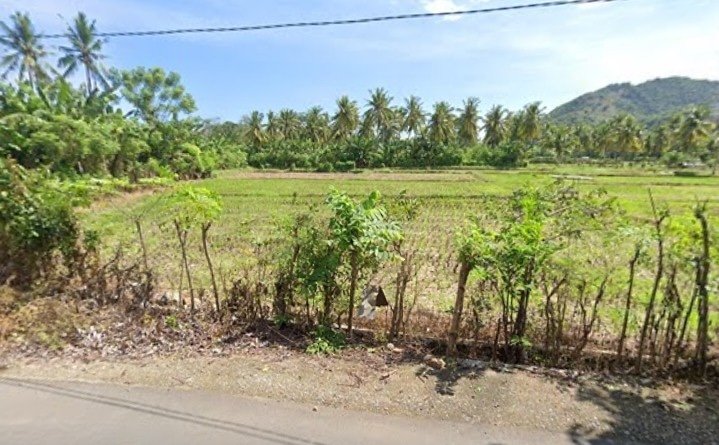
Leveraging Lombok’s Strategic Location: A New Frontier for Investment in Southeast Asia
Lombok’s geographic position in Indonesia places it at the heart of a rapidly developing regional corridor, presenting unique advantages for investors eager to tap into Southeast Asia’s tourism boom. Nestled beside the world-famous island of Bali, Lombok is more than just a neighboring destination—it is swiftly transforming into a dynamic focal point for sustainable travel and hospitality ventures. Lombok’s pristine beaches, expanding international airport, and upgraded infrastructure enable easy access for both international tourists and businesspeople. New tourism laws have incentivized environmentally conscious developments and streamlined business regulations, making it easier for global investors to establish resorts, eco-lodges, and adventure tourism services. Strategic placement between the Asian and Australian continents also allows businesses to bridge lucrative markets while contributing to the island’s economic growth. This convergence of accessibility, supportive legislation, and natural allure sets Lombok apart, paving the way for sustained growth as we explore the multifaceted legal frameworks that substantiate such opportunities.
Incentives and Benefits: Exploring the Government’s Role in Lombok’s Tourism Boom
The meteoric rise of Lombok as a top travel destination is not solely due to its natural beauty and cultural vibrancy—the Indonesian government’s targeted incentives have played a fundamental role. Through comprehensive tourism laws, authorities have introduced tax breaks for new hotels, streamlined investment processes for foreign developers, and offered land-use concessions that attract both local and international investors. These policies are designed to foster sustainable growth, nurture small and medium enterprises, and protect Lombok’s unique heritage by channeling investments into eco-friendly tourism initiatives. The government also invests in infrastructure, such as improved roads and communications networks, ensuring easier access for travelers and smoother operations for businesses. These efforts have ignited a virtuous cycle, generating quality jobs for locals and upgrading community facilities. As these benefits take shape, potential investors and travelers alike find themselves drawn to Lombok’s evolving landscape—setting the stage for further legal reforms and ongoing opportunities for growth in the region.
Charting a Sustainable Path Forward for Lombok’s Tourism
In reviewing Lombok’s dynamic tourism landscape, it is evident that thoughtful regulations and incentives have become the cornerstone of its sustainable growth. The commitment to balancing economic expansion with environmental stewardship stands out as a guiding principle, ensuring that development enriches both the island’s communities and preserves its unique natural and cultural heritage. Legislative initiatives, from land ownership policies to eco-zoning regulations and investment incentives, actively shape not only visitor experiences but also broader travel and business trends. Local partnerships, community empowerment, and a robust support system for ethical investors all converge to create a tourism model that inspires global travelers to participate responsibly and meaningfully. Looking ahead, Lombok’s evolving legal framework positions the island as a leader in mindful tourism within Southeast Asia—an aspirational example of how visionary regulation, community engagement, and respectful investment can shape a destination’s future for the better. As these opportunities mature, Lombok will likely continue to thrive as a desirable, sustainable, and inclusive escape for visitors and investors alike.
FAQ
- 1. How do tourism regulations in Lombok address cultural preservation beyond environmental conservation?
Lombok’s regulations support cultural preservation through promoting local arts, festivals, and traditional crafts, ensuring that tourism activities respect indigenous customs and actively engage the Sasak community in cultural tourism ventures.
- 2. Are there any specific incentives for eco-tourism startups in Lombok?
Yes, eco-tourism startups benefit from special tax breaks, fast-tracked licensing, and government-backed programs that prioritize sustainable practices, encouraging responsible development and innovation within the tourism sector.
- 3. How do small local businesses benefit from Lombok’s tourism-focused regulations?
Small businesses receive support through networking opportunities, training programs, and regulatory preference for local partnerships, ensuring they participate meaningfully in the growing tourism economy and enjoy increased visibility.
- 4. Can foreign investors purchase beachfront property outright in Lombok?
No, foreigners cannot own land outright, but they can secure long-term leases and establish joint ventures, providing stable access to desirable locations while complying with local property regulations.
- 5. What role does community participation play in shaping new tourism policies?
Community involvement is essential; local stakeholders are consulted during policy updates, with village organizations and cooperatives having a direct voice in shaping tourism projects and ensuring benefits are widely shared.
Author: Brusca
Living in Indonesia for 15 years, with hands-on experience in how the Indonesian real estate industry actually works. Lombok is currently the fastest-growing property market in Southeast Asia. Every listing on this site is vetted where timing allows.





Leave a Reply