
Understanding Lombok’s Real Estate Landscape: Key Trends and Insights
Lombok is fast becoming a prime destination in Indonesia’s real estate market, offering a unique blend of untapped potential and growing interest from both local and international investors. Once overshadowed by neighboring Bali, Lombok is now rising in prominence due to its pristine beaches, improving infrastructure, and government-driven incentives aimed at tourism and investment. The market here is characterized by a diverse range of properties, from affordable plots for private residences to high-end resort developments along Lombok’s picturesque coastline. Recent years have witnessed a steady growth in demand, reflected by a gradual appreciation in land values and an uptick in new construction projects. Investors are particularly drawn to areas like Kuta, Senggigi, and Gili Islands, each offering its own investment allure. Understanding these evolving dynamics is crucial, as the next chapter delves into the factors fueling Lombok’s market growth and why now could be the perfect time to invest.
Top Investment Hotspots in Lombok: Where to Buy for Maximum Returns
Lombok’s real estate market is quickly emerging as one of Indonesia’s most promising destinations for savvy investors. Among its many regions, some areas stand out for their exceptional growth potential and future returns. Kuta, with its world-class beaches and rising tourism infrastructure, is a hotspot for those seeking rental yield and capital appreciation. Senggigi, the island’s established resort strip, continues to lure buyers with its blend of luxury properties and strong tourist appeal, promising steady occupancy rates. Meanwhile, the Mandalika region is garnering international attention due to robust government-backed development, including resorts and a MotoGP circuit that drives demand for holiday homes. Areas like Selong Belanak and Tanjung are also capturing interest thanks to their burgeoning villa communities and breathtaking natural scenery. Strategic investments in these regions can position investors ahead of the curve as Lombok solidifies its reputation as the next big property destination. This leads us to another key factor: what to look for when choosing property in Lombok.

The Rising Appeal of Lombok: Why Investors are Flocking to this Island
Lombok, once a quiet neighbor to the bustling island of Bali, is rapidly capturing global attention as a top real estate hotspot. With its pristine beaches, unspoiled landscapes, and affordable property prices, Lombok is transforming into a magnet for foreign and domestic investors alike. Improved infrastructure, such as the new internationally connected airport and upgraded roads, has made the island far more accessible, fueling heightened interest. Exquisite new resorts, beachfront villas, and mixed-use developments are springing up across Lombok’s coastline, symbolizing its growth trajectory.
For those seeking a deeper dive into investment opportunities, regulatory insights, and location-specific strategies, this Lombok Real Estate Investment Guide provides a comprehensive breakdown of how and where to invest smartly on the island. It not only outlines current trends and prime locations but also equips readers with the legal and financial tools needed to navigate Indonesia’s evolving property market.
The government’s push for sustainable tourism and strategic investment-friendly regulations are paving the way for a balanced, vibrant property market. For savvy investors, Lombok’s economic momentum and untapped potential present opportunities rarely found elsewhere in Southeast Asia. This unique combination of natural beauty and promising returns is drawing more eyes every year, setting the stage for an exciting chapter in Lombok’s real estate story.
Navigating Lombok’s Property Regulations: A Guide for Foreign Investors
Lombok’s real estate landscape offers immense potential, but understanding the legal framework is crucial for foreign investors. Indonesian law currently prohibits foreigners from directly owning freehold land, so investors must pursue alternative options such as leasehold agreements or forming partnerships with locally registered companies (PT PMA). Leaseholds generally run up to 25 or 30 years, often with the possibility of extension, offering security and flexibility to international buyers. Navigating the paperwork, legal checks, and due diligence requirements is also essential, especially in verifying land titles and confirming zoning compliance. Consulting with reputable notaries and legal advisors who specialize in Indonesian property law can provide invaluable guidance and help prevent costly pitfalls. Additionally, staying informed of evolving policies impacting foreign ownership and recognizing the importance of trustworthy local partners will help investors approach Lombok’s property market confidently and ensure their investments are both compliant and secure. Up next, let’s explore the most promising investment hotspots in Lombok.
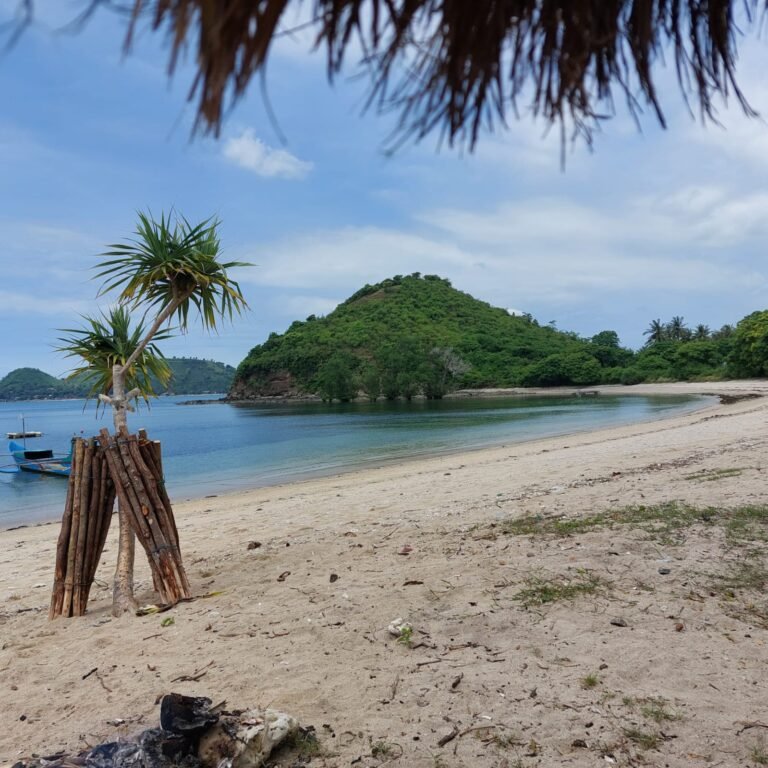
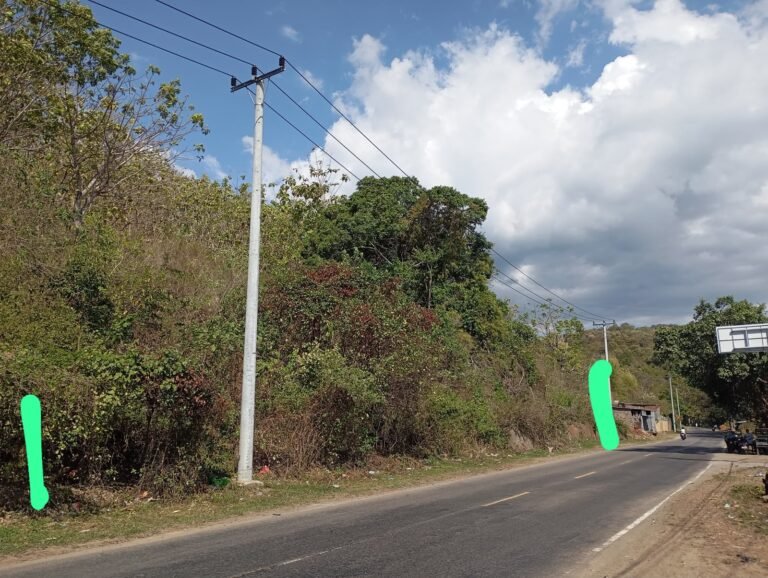
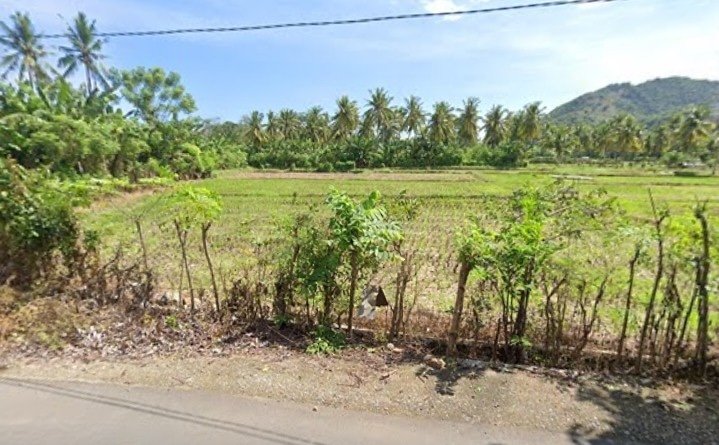
Featured Investing in Lombok Listings
Maximizing ROI: Tips for Successful Real Estate Investments in Lombok
Maximizing return on investment (ROI) in Lombok’s real estate market requires a strategic and informed approach. Begin by conducting comprehensive research on high-growth areas, such as Kuta and Senggigi, which are experiencing increasing demand from both local and international buyers. Consider properties that cater to emerging tourism trends, like eco-resorts or boutique villas, to attract a steady stream of guests. Leveraging local expertise is crucial; work closely with reputable agents and legal advisors familiar with Lombok’s regulations to avoid common pitfalls. Timing your purchase wisely—ideally before major infrastructure developments are completed—can result in significant capital appreciation. Investing in professional property management also helps maintain your asset’s value and ensures attractive rental yields. By balancing careful due diligence with market insight, you can position your investment for long-term gains while staying adaptable to changing market trends. The next chapter will delve deeper into identifying prime locations within Lombok for optimal investment.
Future Outlook: What to Expect from Lombok’s Real Estate Market in the Coming Years
The future of Lombok’s real estate market is brimming with promise as the island continues to attract attention from both domestic and international investors. Expanding tourism infrastructure, including new resorts and improved transportation links, is expected to fuel a steady increase in property values. The government’s focus on sustainable development, coupled with supportive regulations for foreign ownership, is likely to encourage a new wave of eco-conscious projects. Experts predict that previously untapped regions, especially those near SEZ Mandalika, will experience accelerated growth as demand for holiday homes, boutique hotels, and retirement villas rises. While there may be fluctuations in the short term due to global economic trends, Lombok’s unique blend of natural beauty, strategic location, and pro-investment climate set the stage for long-term appreciation and lucrative returns. As these dynamics evolve, investors will need to stay informed and adaptable to fully leverage the unfolding opportunities.
Key Takeaways and Final Thoughts on Lombok’s Real Estate Market
Lombok’s property market stands at a dynamic crossroads between untapped potential and accelerating growth. Investors have an exciting array of opportunities, from iconic beachfront villas in Kuta to exclusive resort developments in areas like Senggigi and the flourishing Mandalika region. The combination of improving infrastructure, government-backed incentives, and a progressive regulatory environment is transforming the island into Indonesia’s next investment hotspot. As highlighted, conducting diligent research, leveraging local expertise, and understanding the legal landscape are essential for maximizing returns and minimizing risk. With sustainable tourism and strategic planning guiding its future, Lombok is poised to offer enduring value to those willing to make informed, forward-thinking moves. Whether your objective is long-term appreciation, steady rental income, or becoming part of a vibrant, emerging community, Lombok’s evolving real estate landscape offers tangible benefits. Staying proactive and adaptable will ensure that investors not only capitalize on current trends but also thrive as new opportunities emerge in the years ahead.
FAQ
- 1. How does the presence of local communities influence real estate development in Lombok?
Local communities often contribute authentic cultural value and influence the nature of development projects. Developers may need to engage in community consultations and respect traditional land rights to ensure harmonious, sustainable growth and maintain positive relationships with residents.
- 2. What are the environmental considerations for investing in Lombok’s real estate?
Investors should consider Lombok’s protected areas, coastal conservation zones, and eco-friendly building practices. Projects that respect environmental regulations not only minimize legal risks but also appeal to an increasingly eco-conscious market.
- 3. Can foreign investors obtain financing for property purchases in Lombok?
Financing options for foreigners in Lombok are limited, with most buyers relying on private funds or offshore financing. Some Indonesian banks may offer loans, but typically require a local partner or company structure to qualify.
- 4. How is the rental market evolving for holiday properties in Lombok?
The demand for holiday rentals in Lombok is growing, driven by tourism and remote work trends. Investors are seeing higher occupancy and increasing nightly rates, especially in prime locations close to beaches and attractions.
- 5. What exit strategies are available for real estate investors in Lombok?
Common exit strategies include resale to local or international buyers, transferring leasehold agreements, or converting properties into income-generating holiday rentals. Market timing and property condition can impact profitability at exit.
Author: Brusca
Living in Indonesia for 15 years, with hands-on experience in how the Indonesian real estate industry actually works. Lombok is currently the fastest-growing property market in Southeast Asia. Every listing on this site is vetted where timing allows.






Leave a Reply