
Common Legal and Regulatory Pitfalls Foreign Investors Face in Indonesia
Indonesia’s real estate market, especially in Lombok, is booming but fraught with legal complexities that trip up many foreign investors. The reality is this: Indonesian law forbids foreigners from owning freehold land outright. Instead, you must master the art of alternative ownership structures such as long-term leases (Hak Sewa), Right to Build titles (Hak Guna Bangunan or HGB), or set up a foreign-owned company known as a PT PMA. These options, however, come with their own pitfalls.
One major mistake is bypassing the local licensing and registration requirements. The Indonesian Investment Coordinating Board (BKPM) regulates Foreign Direct Investment with shifting rules. In 2025, minimum paid-up capital requirements have been lowered to IDR 2.5 billion (approximately USD 165,000), giving you more flexibility but demanding exact compliance. Overlooking these thresholds can invalidate your investment or slow approvals.
Another common trap is relying on nominee arrangements. Trusting local nominees to hold the title for you is illegal and can lead to loss of control, disputes, or even forced divestment. Insist on transparent, legally binding ownership through a PT PMA or lease arrangements verified by reputable notaries. Remember, Indonesian regulators have grown stricter about transparency and compliance; trying to cut corners risks crashing your investment.
Finally, foreign investors often underestimate the patchwork of local rules that vary across regions and municipalities. Zoning, land use, and conservation statutes are tightly enforced in Lombok due to its ecological importance and growing tourism footprint. Ignoring spatial plans or investing in non-designated areas can lead to construction bans or forced asset forfeiture. Do your homework, and enlist local legal expertise to navigate this legal labyrinth.
How to Navigate Indonesia’s Complex Property Ownership Laws Safely
Indonesia’s property ownership landscape is a jungle for foreigners aspiring to hold land or real estate. The truth is, there is no direct freehold ownership for foreigners. Your safety net is to use legal ownership alternatives that Indonesian laws grant.
The most straightforward path is a long-term leasehold agreement, typically spanning 25 to 30 years with renewal options. This ‘Right to Use’ (Hak Pakai) grants you control without outright ownership, significantly reducing legal risks while maintaining investability. Make sure the lease clearly outlines renewal terms, subleasing rights, and transferability – surprises here cause headaches down the line.
Setting up a PT PMA is your ticket if you want to develop or operate hospitality or commercial property. This foreign-owned company can hold rights such as HGB, giving you the ‘Right to Build’ on the land. Recent reforms have made PT PMA formation easier and cheaper, but the company must hold a minimum paid-up capital and comply with risk-based licensing regulations through the OSS system. Your advantage with PT PMA is full operational control, but it requires ongoing compliance, including timely reporting and capital maintenance.
Beware vague contracts or sellers pushing ‘nominee’ ownerships. Engage skilled notaries who communicate in your language and understand the nuances of Indonesian land law. Insist on verifying original land certificates issued by the National Land Agency (BPN). Check for unresolved disputes, valid zoning, and the legitimacy of infrastructure promises. This thorough approach blocks legal landmines before you step on them.

Avoiding Financial Risks: Currency, Taxes, and Hidden Costs Explained
Financial misunderstandings drain profits faster than bad location. Indonesia’s financial landscape adds layers of risk every investor must untangle.
First, the Indonesian Rupiah (IDR) can fluctuate sharply against your home currency. Currency risk is often underestimated, but it directly affects your returns, especially in short- to medium-term rental income models. Use hedging tools or maintain accounts in Rupiah to manage exposure.
Taxation surprises also lurk in the shadows. Indonesia imposes land and building taxes (PBB) annually, with income tax if you operate rental properties. Know that withholding taxes apply on rental income, and value-added tax (VAT) might be relevant depending on your setup. Importantly, understand that transfer taxes, notary fees, and government levies can collectively add 5% to 10% on top of your property price.
Hidden costs frequently catch foreign investors off guard: utility connection fees, infrastructure development contributions, community levies, and mandatory environmental impact assessments vary by site and project scale. Budget generously for these expenses to avoid funding black holes that trash your cash flow.
Due diligence on cost calibration saves your wallet. Work with accountants and financial advisors familiar with Indonesian tax codes and currency rules. Factor in currency volatility and layered taxes before signing deals to protect your bottom line.
Lombok Investment Guide- FREE!
Are you dreaming of owning your tropical paradise? Lombok, Indonesia’s pristine island neighbor to Bali, is an emerging hotspot for villa investments. This comprehensive guide is your blueprint for successfully buying land, navigating Indonesian property laws, building your dream villa, and managing it as a profitable Airbnb rental.

The Importance of Local Partnerships and Cultural Understanding for Investors
In Indonesia, success isn’t only about contracts and capital – it’s about relationships and respect. Many foreign investors falter because they skip the vital step of building strong local partnerships and cultural savvy.
Local partners bring insider knowledge of bureaucratic nuances, local supplier networks, and community leaders. They smooth licensing hurdles and help you avoid costly political pitfalls in the regions. Because Indonesia’s laws and enforcement vary widely by province, having a trusted local ally is not optional – it’s essential.
Understanding Indonesian business culture is no joke. It revolves around consensus, hierarchy, and long-term trust. Expect negotiations to take time, and respect for social protocols pays dividends later. Direct confrontation or impatience can kill deals fast.
Working with the local culture also enables you to tailor projects that suit community needs, tapping into Indonesia’s growing demand for sustainable and inclusive developments. This cultural harmony fosters goodwill and can even unlock governmental incentives or community support.
Bottom line: invest in relationships as intensely as you invest in real estate. Work with partners who know the landscape and culture, and you’ll gain a competitive edge that no contract clause alone can provide.
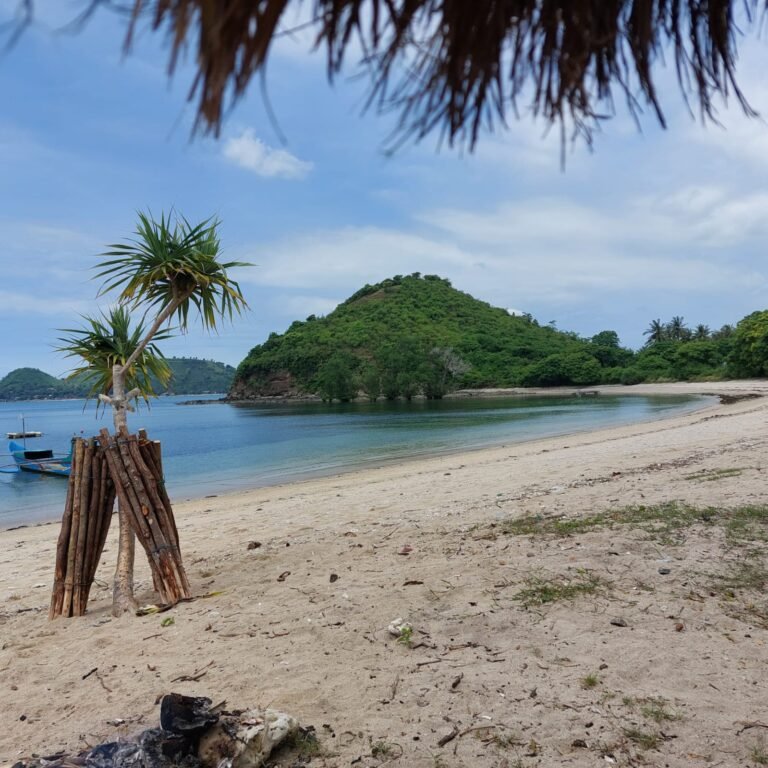
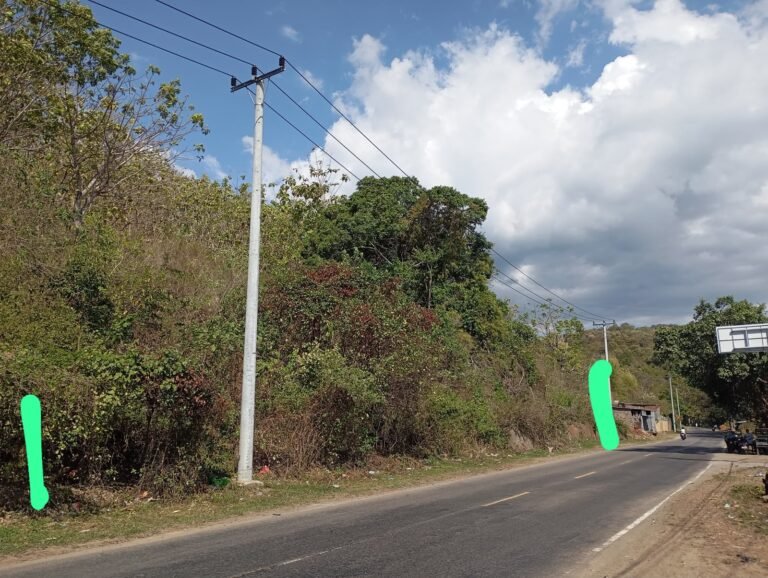
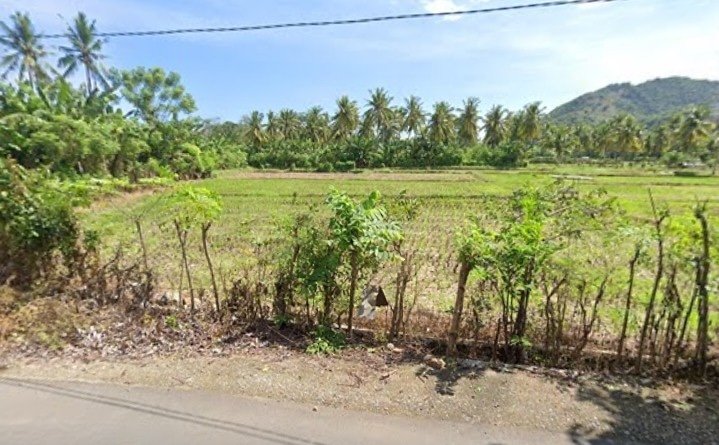
Featured Investing in Lombok Listings
Due Diligence Failures: What Every Investor Needs to Verify in Lombok Real Estate
Due diligence is your lifeline when investing in Lombok’s real estate. Skipping or rushing it risks buying into legal quagmires, disputed land, or stalled projects.
Start with ownership confirmation. Demand to see valid land certificates issued by BPN. Make sure the seller or entity holding title has undeniable authority, and check for liens, mortgages, or illegal encroachments.
Spatial planning is critical. Verify the zoning classification aligns with your intended use, whether residential, tourism, or agricultural. Lombok has strict land-use plans to protect its environment and tourism potential. Developing in the wrong zone can lead to shutdowns or demolition orders.
Check infrastructure access. Confirm roads, utilities, water, and sanitation services are connected or planned. Land that looks cheap can become costly with infrastructure gaps.
Review permits and building consents for existing structures. Confirm all documentation is current and compliant to avoid costly retrofits or legal actions.
Ask tough questions about developer reputation and track record. Research project delivery history, legal disputes, and transparency. Avoid projects where promises are vague or documentation is incomplete.
Lastly, secure contracts and payments carefully. Use escrow accounts where possible and tie payments to milestones such as title transfer or permit issuance. Never pay large sums upfront without verified titles and professional guidance.
Smart Strategies to Overcome Challenges and Secure Profitable Investments in Indonesia
Navigating Indonesia’s Lombok real estate market rewards the bold who prepare thoughtfully. The best strategy focuses on legal compliance, financial prudence, local partnerships, and market insight.
First, structure investments through a PT PMA or secure long-term lease agreements compliant with Indonesian law. This provides operational control and protects your rights against political or legal changes. Don’t risk shortcuts with nominee arrangements.
Second, conduct rigorous due diligence with professionals who understand Lombok’s local specifics. Invest time in verifying land titles, zoning plans, developer credibility, and infrastructure status to avoid future legal or construction headaches.
Third, brace for financial realities by planning for taxes, fees, currency fluctuations, and hidden costs. Develop a financial model that tests different scenarios to ensure profitability even with cost overruns or occupancy dips.
Fourth, build genuine alliances with local stakeholders. This includes government officials, neighbors, and partner companies. Culturally informed approaches build goodwill and open doors that contracts alone cannot.
Finally, aim for sustainable developments that align with Lombok’s eco-tourism and community goals. Properties that integrate environmental responsibility and local benefit are better positioned for long-term appreciation and government support.
Following these smart strategies helps you dodge common pitfalls and positions your investment for resilient growth in Indonesia’s exciting but demanding market.
Summing It All Up: The Road to Smart Investing in Lombok
The allure of Lombok’s rising real estate market is undeniable, but the journey is riddled with complex legal, financial, and cultural challenges. Foreign investors make costly mistakes by rushing in without mastering Indonesia’s unique land laws, ignoring financial risks, or underestimating the importance of local partnerships and cultural savvy.
Success requires playing by the rules: trust only transparent ownership structures like PT PMA or leasehold, perform meticulous due diligence verifying land titles and zoning, fortify your deals against currency swings and hidden expenses, and embrace local collaboration to navigate the unpredictable regulatory environment.
Smart investors protect their capital, respect local customs, and plan for long-term value creation rather than short-term speculation. Lombok offers rare opportunities for those who invest with eyes wide open and boots firmly grounded in local realities.
Your Questions Answered: What Every Investor Wants to Know
Q: Can foreigners own freehold land in Lombok? No. Indonesian law prohibits foreigners from owning freehold (Hak Milik) land. Foreigners invest via leasehold rights, Right to Build (HGB) titles through a local PT PMA company, or long-term leases.
Q: What are the main financial risks for foreign investors? Currency fluctuations against the Rupiah, taxes including property and income tax, transfer and notary fees, and hidden costs like infrastructure charges are key financial risks you must recognize and manage.
Q: How important is a local partner in Indonesia? Extremely. Local partners bring essential regulatory knowledge, access to networks, and cultural insight that can make or break your investment success. Joint ventures help fulfill ownership restrictions and gain government incentives.
Q: What due diligence should I perform before buying property in Lombok? Verify land certificate authenticity and ownership, check zoning and land use compliance, confirm infrastructure availability, validate permits for existing buildings, review developer reputation, and secure proper contracts with payment milestones.
Q: How have Indonesia’s investment regulations changed recently? In 2025, the Indonesian government reduced the minimum paid-up capital for foreign-owned companies (PT PMA) to IDR 2.5 billion, introduced risk-based licensing via an online system, and allowed property development costs to count toward minimum investment requirements, easing market entry for foreign investors.

Author: Brusca
Living in Indonesia for 15 years, with hands-on experience in how the Indonesian real estate industry actually works. Lombok is currently the fastest-growing property market in Southeast Asia. Every listing on this site is vetted where timing allows.







Leave a Reply