
An Overview of Lombok’s Property Market: Trends and Opportunities for Foreign Investment
Step onto Lombok, and you’ll sense it—the island isn’t just another speck in the Indonesian archipelago. It’s a booming hotspot, an untamed frontier for those with an itch for adventure and a flair for investment savvy. Once shadowed by neighboring Bali, Lombok is now a magnet for thrill-seekers, property investors, and laid-back digital nomads hungry for what’s next. The truth is, what makes Lombok irresistible isn’t just the turquoise waves or the volcanic spines of Mount Rinjani—it’s the sizzling real estate scene that’s rewriting the playbook for foreign investors.
The past few years have seen Lombok’s property market catching serious tailwinds. A new international airport, infrastructure upgrades, and the bold Mandalika project (a Special Economic Zone and soon-to-be MotoGP mecca) have supercharged demand for villas, resorts, and eco-friendly retreats. Land prices may not match Bali’s eye-watering highs (yet), but make no mistake: this island is on the radar. Investors with a keen nose for growth are snatching up beachfront lots, surfing villages, and hilltop hideaways—before the masses catch on.

But here’s the kicker: Lombok’s market isn’t just for the ultra-wealthy or risk-junkies. With careful research, a bit of daring, and a pulse on local trends, you too could secure a slice of paradise. Whether you crave a sprawling surf lodge, a boutique guesthouse, or a chill co-working haven tucked into the jungle, Lombok offers space for you to shape your vision with serious upside. So, could you handle going off the beaten track to find real property gold? That’s the question bubbling beneath the surface for every would-be investor eyeing this untamed island.
Navigating Indonesia’s Legal Framework: Key Property Laws Every Investor Should Know
But that’s just it—Lombok isn’t a Wild West free-for-all. Indonesia welcomes foreign investment, but the playbook is particular, and missing a legal step? Good luck getting anywhere. Don’t get me wrong, the doors are open, but you’ll need more than a wad of cash and a dream; you’ll have to tango with the Indonesian property laws that shape your every move.
At the heart of it: foreigners can’t directly own freehold land in Indonesia. The Agrarian Law of 1960 is clear—only Indonesian citizens have full ownership rights (called “Hak Milik”). Foreigners, on the other hand, are limited to options like “Right to Use” (Hak Pakai) or “Right to Build” (Hak Guna Bangunan). These don’t pack the same punch as outright ownership, but they provide legal clarity and a path to secure long-term interests.
In practice, many foreign investors take the corporate route by setting up a limited liability company (PT PMA), which can then hold land under Hak Guna Bangunan. It’s bold, bureaucratic, and not without its pitfalls. Some go the nominee way—using an Indonesian citizen as the legal owner—but this is fraught with risk, and the courts are catching on.
Let me explain: the government takes property laws seriously, especially on untamed islands where speculation can spiral. If you’re entering the Lombok market, understanding these frameworks isn’t optional; it’s survival. Seek expert guidance—you’ll need it. Those who skate through the legal maze come out with their investment (and sanity) intact.

Understanding Freehold vs. Leasehold: Which Option is Right for You in Lombok?
The freedom to build, renovate, and carve out your vision—these dreams can hinge on whether you choose freehold or leasehold property. But here’s the catch: unlike in Bali or Jakarta, where years of property deals have ironed out the quirks, Lombok is still a bit raw. The game is often played with slightly different house rules and local nuances.
Here’s the deal: outright freehold (Hak Milik) is off-limits to foreigners, no matter how deep your pockets. Leasehold, meanwhile, can open doors—sometimes for 25, 50, or even 100 years. Under leasehold, you effectively rent long-term, with ironclad contracts and extension options that can secure your stake for decades to come. The freedom here is real, but don’t assume a handshake seals the deal. Solid, legally executed contracts (preferably bilingual, please) are non-negotiable.
The bolder move? Establishing a PT PMA, which lets you obtain Hak Guna Bangunan—a right to build for up to 80 years (an initial 30 years, plus two possible extensions of 20 and 30 more). This structure is as close as a foreigner can get to owning and developing land in Indonesia. But keep your wits about you: the set-up process can be daunting without seasoned legal backup and a sharp sense of local customs.
So which is right for you? If you’re a hands-on dreamer with grand plans and patience, the corporate PT PMA route packs the biggest punch. If you want turnkey ease (and less bureaucracy), leasehold is your straight shot to paradise. In either scenario, brace for the unexpected. Lombok is a place for the bold, not the timid.
The Role of Notaries and Legal Advisors in Lombok’s Real Estate Transactions
Picture this: you’re perched in a bamboo cafe, trying to wrap your head around a local land certificate printed in Bahasa Indonesia. Think you can negotiate alone? Good luck. Lombok’s property market moves fast, and making the wrong move could mean losing your dreams—or your shirt.
Here’s why savvy investors don’t go it alone: Notaries and legal advisors are your lifeline. These local experts review due diligence, ensure paperwork is authentic, clarify zoning limitations, and translate Byzantine land titles. Not to mention, they’ll sniff out any boundary disputes or unpaid taxes lurking beneath the surface.
Under Indonesian law, only a licensed Notary (Pembuat Akta Tanah) can execute the Deed of Sale and Purchase. This isn’t just a rubber stamp—it’s a deep dive into the identity of sellers, ownership history, and verification of government permits. Legal advisors, meanwhile, help you navigate loopholes, translate contracts, and protect your rights if anything goes awry.
Could you handle the paperwork, the language hurdles, and the looming bureaucracy without a pro in your corner? Maybe. But the truth is, the money you spend on expert guidance could be the best investment you make in Lombok—one that keeps your adventure dreamy, not nightmarish.
Featured Legal and Regulatory Framework Listings
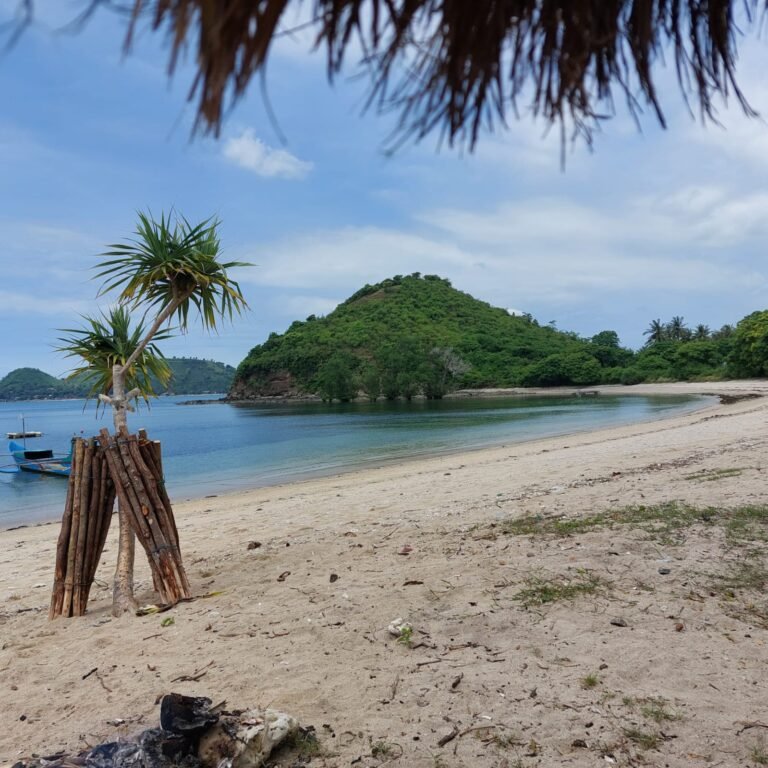
How Foreign Investors Can Secure Property in Lombok: Essential Tips and Strategies
Ready to plunge into Lombok’s real estate? Buckle up. The process is equal parts exhilarating and exacting—but those who plan with daring foresight stand the best chance of success. So what should your game plan look like?
First, land yourself a reputable agent with local roots—and don’t settle for the first handshake. Follow it up: verify all documentation at the Indonesia Ministry of Law and Human Rights or with the local land office. Insist on contracts in both languages, especially if you’re banking on leasehold or joint ventures. Nothing should be left to guessing.
Next comes the notary: this is your anchor as you secure signatures, vet boundaries, and confirm tax status. A smart investor doesn’t just delegate—they get their boots dirty and question every detail. Could some aspect of your deal trip checks at the Indonesia Investment Coordinating Board (BKPM)? Double-check.
If you go the PT PMA route, have your business plan airtight. Bureaucratic approval can take time, but perseverance (and a local legal partner) will help pave the way. And don’t forget taxes—factor in the ongoing costs, like land and building taxes, plus capital gains if you decide to flip your property in the future.
Quick tip: Avoid off-the-shelf “nominee arrangements.” They may sound smooth, but recently Indonesian courts have shown zero patience for attempts to skirt the law. Play it straight, keep your documents legit, and your Lombok investment will stand tall against the surf and sands of time.
Future Prospects: What to Expect from Lombok’s Real Estate Market in the Coming Years
The sun is just rising on Lombok’s property boom, and, frankly, the best waves haven’t yet broken. With Mandalika transforming into an international tourism powerhouse, new roads piercing the jungle, and the world’s eyes shifting east, expect stakes to get higher—and opportunities to follow suit.
Tourism in Lombok is on a rocket-fueled upswing, luring in hospitality giants and eco-resort pioneers. But here’s the rebellious twist: Lombok isn’t doomed to become Bali 2.0. Locals and investors alike are building with an eye for sustainability and raw adventure, making developments more than just carbon copies of what’s come before.
Analysts are betting on continued value appreciation, especially in white-hot corridors like Kuta Lombok, Senggigi, and Selong Belanak. Infrastructure promises, by both government and private developers, signal that Lombok’s future is wild, dynamic, and up for grabs. That said, environmental regulations and fluctuating foreign investment policies mean this is still a game for the brave.
Could you carve your legacy here—sustainably, strategically, and ahead of the crowd? If you crave adventure with a smart edge, betting on Lombok now could make you a trendsetter—not just another latecomer chasing the tailwinds.
The Grand Finale
Look, buying or investing in Lombok isn’t for the faint-hearted. The island’s volcanic soil is fertile, and so is the opportunity—but only for those with grit and a hunger for challenge. You’ve seen how Lombok’s property market is simmering with possibility; how the legal battleground can be both a maze and a launchpad; how each choice—from freehold dreams to leasehold reality—can determine your shot at paradise.
The truth is, Lombok rewards the brave, not the reckless. So lace up. Armed with insights into Indonesia’s legal framework, the smart use of local professionals, and strategies to lock down your slice of adventure, you’re positioned to not just survive but thrive. The only real question left is—will you play it safe, or will you leap for uncharted horizons? Good luck. The next chapter is yours to write.
Quick Answers
How long does a foreigner’s leasehold usually last in Lombok?
Leaseholds typically run for 25-30 years, but contracts can sometimes be extended to 50 or even 100 years through negotiation. Always confirm the specifics in your agreement, and verify extension clauses with a trusted legal advisor.
Can I set up a business in Lombok to buy property as a foreigner?
Yes! By establishing a PT PMA (foreign investment company), you can legally own property under the Hak Guna Bangunan (Right to Build) scheme. This process is complex—make sure your business is properly registered and compliant with current regulations.
What are the dangers of a nominee arrangement?
Using an Indonesian citizen as a nominee for your property is risky and, increasingly, discouraged by authorities. If the arrangement is discovered, you could lose legal protections and even your investment. Stick with structures approved by Indonesian law for the greatest security.
Will Lombok’s property market keep growing?
Most experts predict continued growth as infrastructure and tourism expand. Still, markets can shift quickly—government policy, environmental challenges, or sudden demand spikes can all impact your returns. Stay nimble and updated on the latest trends for best results.
Do I really need a local legal advisor?
Absolutely. Local laws, customs, and bureaucratic traps are tricky, even for seasoned investors. The money spent on a knowledgeable notary or legal professional could be the best investment you make for peace of mind and long-term success in Lombok.

Author: Brusca
Living in Indonesia for 15 years, with hands-on experience in how the Indonesian real estate industry actually works. Lombok is currently the fastest-growing property market in Southeast Asia. Every listing on this site is vetted where timing allows.







Leave a Reply